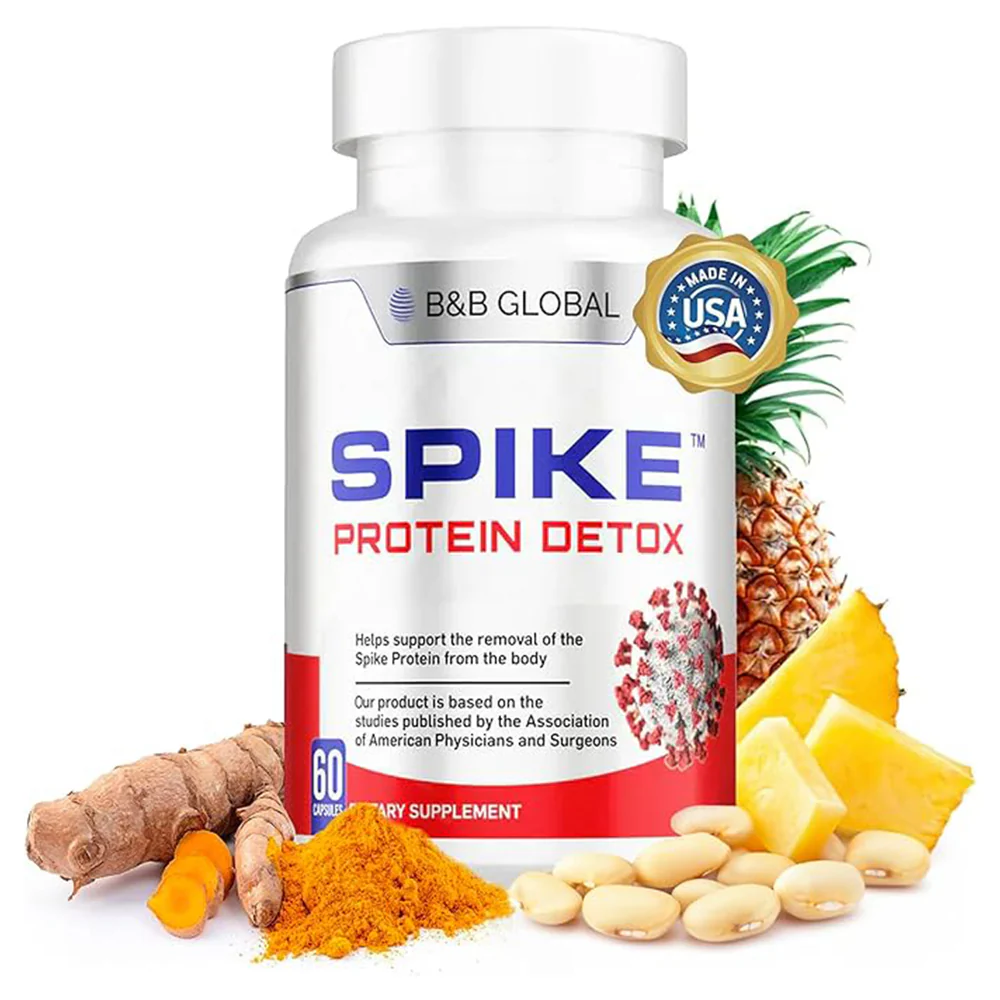
As consumer interest grows, it is essential to separate marketing narratives from established biological understanding and regulatory frameworks.
Origins of the “Spike Protein Detox” Concept
The term “spike protein detox” emerged from public discussions surrounding SARS-CoV-2, the virus responsible for COVID-19. The virus utilizes spike proteins to bind to human cell receptors, enabling viral entry. During infection, the immune system identifies these proteins as foreign antigens and mounts a defensive response.
Certain vaccines similarly instruct the body to produce temporary spike protein fragments to train immune defenses. Importantly, these proteins do not persist indefinitely. From a physiological standpoint, the immune system metabolizes and clears viral components through natural cellular processes.
Despite this, supplement marketers have built messaging around the idea that the body may benefit from additional nutritional support to “assist” recovery or immune regulation. While supporting immune health through nutrition is a well-established wellness principle, the specific claim of “detoxifying spike proteins” lacks endorsement from mainstream medical authorities.
Ingredient Profiles Commonly Found in Spike Detox Products
Most products in this niche rely on combinations of enzymes and botanical compounds traditionally associated with cardiovascular support, inflammation modulation, and antioxidant activity. Typical ingredients include:
Nattokinase
Derived from fermented soybeans (natto), nattokinase is an enzyme studied for its potential fibrinolytic properties. Research suggests it may influence blood flow and cardiovascular markers. However, its clinical application remains an area of ongoing investigation, particularly in relation to clotting dynamics.
Bromelain
Extracted from pineapple stems, bromelain has a documented history in digestive support and inflammation reduction. Some studies explore its immune-modulating effects, but its role in viral protein clearance has not been clinically established.
Curcumin
The primary active compound in turmeric, curcumin is widely researched for antioxidant and anti-inflammatory properties. A key limitation is bioavailability, which is often addressed by pairing it with absorption enhancers.
Black Pepper Extract (Piperine)
Piperine is frequently included to enhance curcumin absorption. While it improves bioavailability, it can also influence drug metabolism pathways, making professional consultation advisable for individuals on prescription medications.
While each of these ingredients has a body of scientific literature supporting general wellness applications, extrapolating those findings into targeted “spike protein detoxification” claims extends beyond current clinical evidence.
Regulatory Framework and Compliance Considerations
In the United States, dietary supplements are governed by the Dietary Supplement Health and Education Act (DSHEA). Under this law:
Manufacturers are responsible for product safety.
Supplements do not require pre-market approval.
Structure/function claims are permitted, but disease treatment or prevention claims are not allowed without FDA approval.
Many supplement brands advertise manufacturing in FDA-registered facilities. It is important to clarify that FDA registration does not equal FDA approval. Consumers should look for:
Good Manufacturing Practice (GMP) compliance
Third-party laboratory testing
Transparent ingredient labeling and dosages
Clear refund and Spike Protein Detox contact policies
These markers provide stronger indicators of legitimacy than marketing language alone.
Scientific Consensus on Spike Protein Clearance
From an immunological standpoint, the body possesses efficient mechanisms for identifying, neutralizing, and eliminating viral particles and protein fragments. There is currently no widely accepted medical guideline recommending targeted spike protein detoxification following infection or vaccination.
Healthcare authorities emphasize balanced nutrition, adequate sleep, hydration, and physician-guided care when managing recovery from viral illness. Supplements may play a supportive role in general wellness, but they are not substitutes for evidence-based medical treatment.
Consumer Risk Assessment and Due Diligence
For individuals evaluating products in this category, a structured approach is advisable:
Compare Dosages to Research Data
Verify whether ingredient amounts align with ranges studied in clinical literature.
Assess Medication Interactions
Enzymes such as nattokinase may influence coagulation pathways. Individuals taking anticoagulants should consult a licensed healthcare provider.
Scrutinize Marketing Claims
Be cautious of fear-based messaging or promises of guaranteed detoxification.
Verify Brand Transparency
Legitimate companies provide batch testing documentation and accessible customer support.
Understanding the distinction between “supporting immune health” and “detoxifying viral proteins” is critical for informed decision-making.
Digital Marketing and Visibility in Emerging Health Niches
The spike detox category illustrates how rapidly health trends can gain visibility through search engine optimization (SEO), authority blogging, and backlink strategies. Emerging keywords tied to public concern often generate substantial organic traffic. However, strong digital presence does not inherently validate click here scientific claims.
Consumers should evaluate both the product and the informational ecosystem surrounding it. High-ranking content may reflect effective digital marketing rather than clinical endorsement.
Conclusion
Spike protein detox supplements represent a convergence of consumer anxiety, immune health marketing, and e-commerce strategy. Ingredients such as nattokinase, bromelain, and curcumin have established associations with general wellness support. However, there is no current clinical consensus indicating a requirement to detoxify spike proteins after infection or vaccination.
An evidence-based approach remains essential. Individuals considering such products should prioritize scientific validation, regulatory compliance, and professional medical guidance. In a crowded supplement marketplace, transparency, realistic claims, and adherence to regulatory standards are the most reliable indicators of credibility.